May 12, 2025
Nusa Lembongan Travel Guide — Everything You Need to Know Before You Go
Planning a trip to Nusa Lembongan? This complete guide covers getting there, what to do, where to eat, when to go and everything in between.
Nusa Lembongan is one of those rare places that still feels like a discovery. Just 30 minutes from Bali by fast boat, it sits in the shadow of its famous neighbour without ever trying to compete with it. No traffic, no shopping malls, no all-inclusive resorts swallowing the coastline. Just clear water, good waves, fresh food and an island pace that takes about half a day to settle into.
This guide covers everything you need to know to plan your trip well.
Getting there
The only way to reach Nusa Lembongan is by boat. Most travellers depart from Sanur Beach in Bali, where fast boats leave regularly from around 7:30am. The crossing takes 30 to 45 minutes and costs between $15 and $35 USD depending on the operator. Booking 24 to 48 hours in advance is recommended during high season. For a full breakdown of departure points, timings and tips for the crossing, read our dedicated transport guide.
Getting around
The island is small enough that a scooter covers everything. Rentals run around $7 to $10 USD per day and are available throughout Jungut Batu and Mushroom Bay. If you prefer not to ride, local drivers offer transfers between the main points and your accommodation can usually arrange these. Walking works well within each village but the distances between areas make two wheels a practical investment for a stay of more than one night.
Where to stay
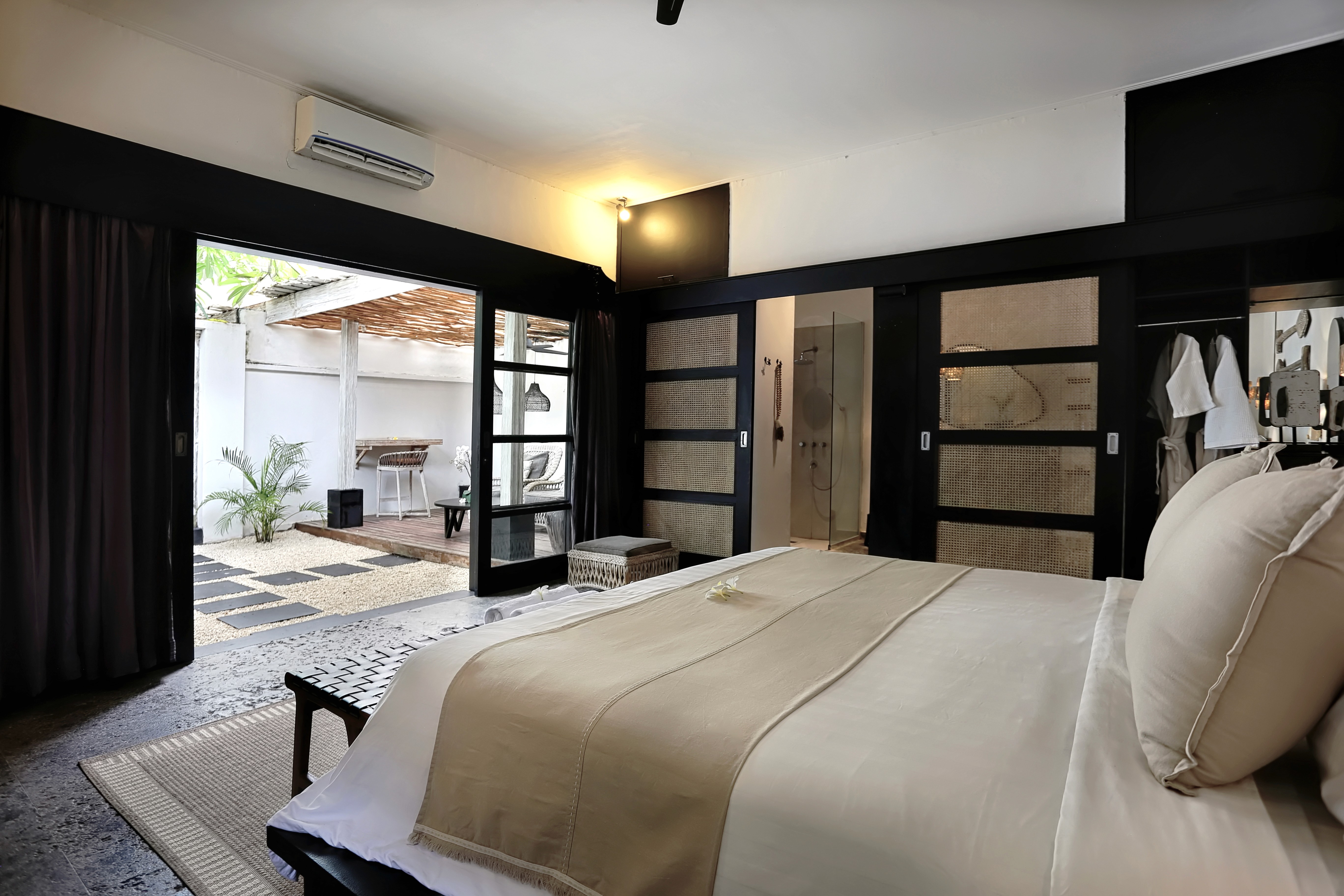
Lembongan has accommodation across every budget, from basic guesthouses in Jungut Batu to cliff-edge villas on the south coast. The area you choose shapes your experience significantly. Jungut Batu puts you close to the action, Mushroom Bay offers calm and shelter, and the southern cliffs trade beach access for some of the best sunset views on the island. Indiana Kenanga sits among the island's most well-positioned properties, combining water access, a pool and the kind of quiet that makes a real difference after a day in the sun.
What to do
The underwater world is the headline act. Snorkeling with manta rays at Manta Point, diving Crystal Bay, paddling through the mangrove forest by kayak — these are experiences that stay with you. On land, the island rewards slow exploration by scooter. Dream Beach and Devil's Tear on the southwest coast are essential stops. The yellow suspension bridge to Nusa Ceningan, Lembongan's quieter sister island, is worth crossing for the views alone and the Blue Lagoon cliff jump on the other side is one of those things you either do or spend the rest of the trip talking about.
For a full breakdown of activities and recommended operators, read our activities guide.
Where to eat
Lembongan's food scene is better than its size suggests. The warungs along Jungut Batu serve fresh grilled fish, nasi goreng and cold Bintang at prices that feel generous even by Indonesian standards. A handful of more polished spots have opened in recent years for those wanting something beyond plastic chairs and sand underfoot. The general rule holds everywhere on the island — the less it looks like a restaurant, the better the food tends to be.
When to go
The dry season runs from April to October and brings the most reliable weather, calm seas and the best underwater visibility. July and August are peak months — beautiful but busy. May, June and September offer dry season conditions without the crowds and are the months we recommend most often to guests planning their first visit. The wet season from November to March is quieter and cheaper, with afternoon showers that rarely ruin a full day. For a detailed breakdown of conditions by month, read our weather guide.
Practical information
ATMs on the island are limited and can run out of cash during busy periods — arrive with enough Indonesian Rupiah to cover your first day or two. Most restaurants and accommodation accept card but smaller vendors and warung owners will always prefer cash. Mobile data works reasonably well across the island with an Indonesian SIM. The island runs on a slower clock than Bali — things open later, things take longer and that is entirely the point.
A note from Indiana Kenanga
We've been welcoming guests to this island for long enough to know that the ones who enjoy it most are the ones who arrive with no fixed agenda and a willingness to slow down. Lembongan will do the rest. Our team is here before you arrive, during your stay and when you're planning your return. Don't hesitate to reach out.
